
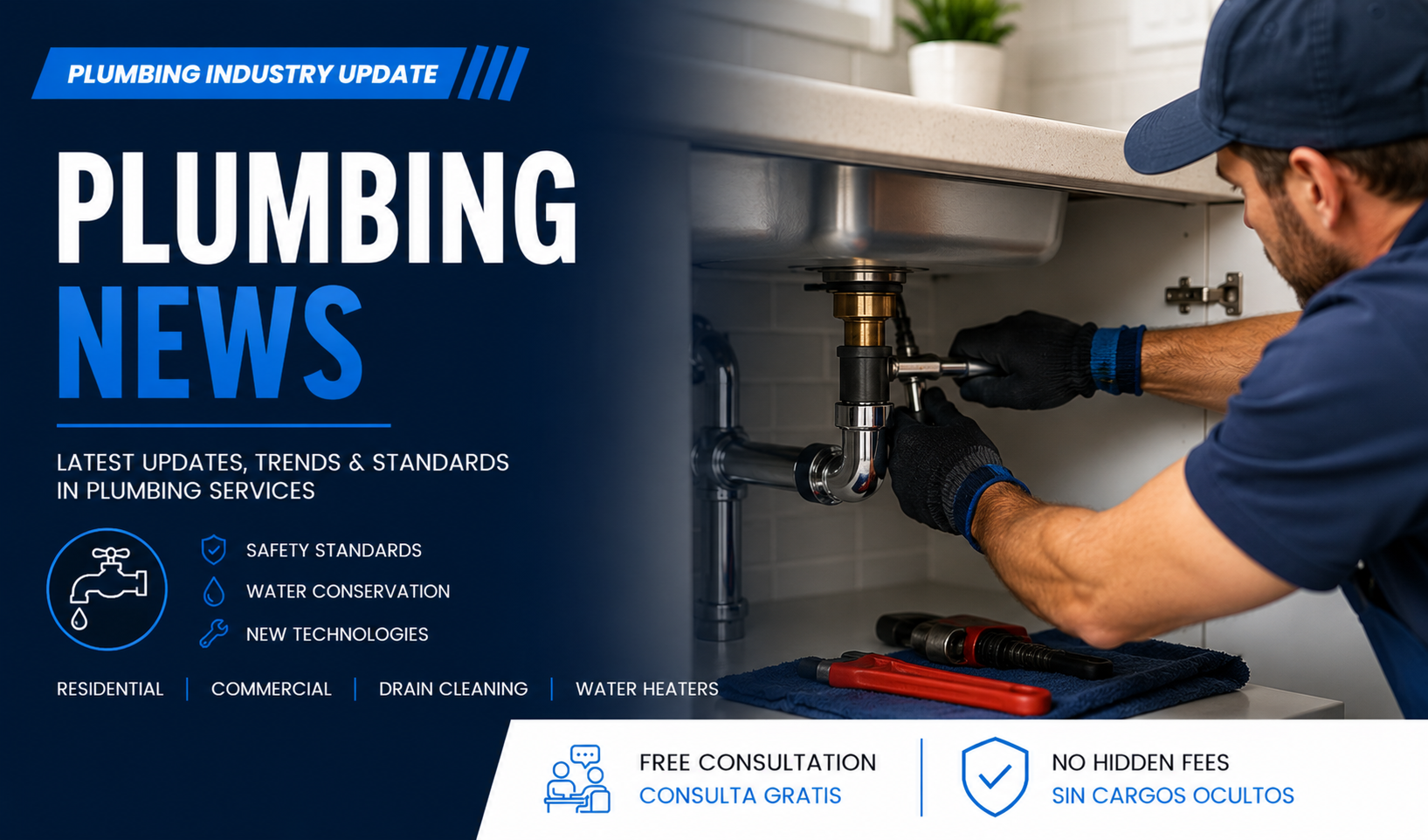
San Diego County is seeing a rare bit of housing relief: a surge in new apartment construction is helping slow rent pressure compared with nearby Orange County, according to a newly released University of Southern California forecast. While rents are still projected to rise modestly through 2029, the larger story for many renters and property owners in San Diego, CA is what happens next—especially as vacancy tightens again and new deliveries are expected to slow.
As more people move into newly built and newly occupied units across San Diego, plumbing systems in multi-family buildings get tested fast. From higher daily water usage to aging supply lines in older rentals, even “good news” in housing can translate into a spike in leaks, backups, water heater failures, and emergency calls for landlords and tenants alike.
San Diego’s apartment build-out is reshaping rent pressure—and building maintenance
Who is behind the forecast
The forecast cited in the report comes from the USC Lusk Center for Real Estate’s Casden Real Estate Economics Forecast. The forecast is authored by Moussa Diop, an associate professor of real estate at the USC Sol Price School of Public Policy.
What the forecast projects for rents and vacancies
The outlook projects average annual rent growth of about 1.5% in San Diego County through 2029. The report notes San Diego County’s average rent was $2,592 in June, with a projection of roughly $2,707 by June 2029. It also anticipates the county’s vacancy rate—reported at 6.31% in June—will fall to around 4.9% as newer units are absorbed.
Where the affordability gap shows up
A key comparison in the forecast is San Diego County versus Orange County. San Diego added about 16,000 apartments since late 2023—roughly double Orange County’s added supply over the same period—helping keep average rents about 7% below Orange County levels (Orange County’s average rent was cited at $2,792 in June).
When this is happening
The construction ramp-up is framed as occurring since late 2023, with the forecast and figures discussed in a report released Tuesday and published November 10, 2026.
Why this matters beyond rent prices
The report credits increased density and San Diego’s Complete Communities initiative with helping respond to housing demand. It also points out that not all new construction is luxury-focused: midrange “Class B” units represented about 34% of recent deliveries. However, the forecast cautions that new housing deliveries are expected to slow—which could put future affordability gains at risk.
What this housing shift means for plumbing in San Diego rentals and apartments
In San Diego, CA, a higher volume of occupied apartments creates more stress on plumbing infrastructure—especially in buildings with shared drain lines, older cast iron, aging water heaters, or high-demand fixtures. Even in newer multi-family construction, early-life issues (improper installation, settling, valve failures, defective components, pressure irregularities) tend to surface as buildings reach steady occupancy.
When vacancy drops and turnover slows, it also becomes harder to schedule proactive maintenance because units stay occupied longer—meaning small problems can become “after-hours emergencies.” For landlords, property managers, and homeowners with ADUs in San Diego, this can raise the stakes: water damage spreads quickly, and repairs can disrupt tenants, trigger habitability complaints, and increase insurance claims.
A timely perspective from a San Diego plumber: more units and tighter vacancy can mean more urgent calls
From a plumber’s perspective, the combination of (1) more residents using plumbing systems daily and (2) vacancy tightening as units fill often leads to a predictable pattern in San Diego County:
First, mainline clogs and backups increase in multi-unit properties because shared drain systems handle higher load. Second, slab leaks and hidden pinhole leaks become more noticeable as water usage rises (and as tenants report higher bills or damp spots). Third, water heaters see heavier cycles, especially in buildings where equipment sizing doesn’t perfectly match real occupancy.
This is where fast diagnosis matters. In a dense San Diego apartment environment, one leaking supply line can impact multiple units below, and a slow drain can become a building-wide blockage if ignored.
How Fraser Plumbing of San Diego helps property owners and renters respond
If you’re a renter, landlord, investor, or property manager in San Diego, CA, the forecast’s “apartment boom” is a reminder to stay ahead of plumbing risk—especially as more buildings reach full occupancy and new construction eventually slows.
Fraser Plumbing of San Diego supports local residential and multi-family needs by focusing on practical solutions that reduce downtime and prevent repeat problems, including leak detection, drain and sewer troubleshooting, water heater service, fixture repairs, and emergency plumbing response when water damage is on the line.
San Diego property checklist: reduce water damage and avoid expensive emergency repairs
- Schedule proactive drain and sewer checks for multi-unit properties, especially if you’ve had recurring slow drains or backups.
- Watch for early leak signals: unexplained water bill spikes, musty odors, warm spots on floors, or staining on ceilings/walls.
- Confirm water pressure is properly regulated (excess pressure can shorten the life of valves, supply lines, and water heaters).
- Don’t delay water heater issues—rumbling, inconsistent hot water, or visible corrosion can turn into flooding fast.
- For landlords in San Diego, CA: document maintenance and respond quickly to tenant reports to reduce escalation and prevent larger damage.
Frequently Asked Questions
When rent pressure eases, protect the property: plumbing readiness still matters
Even with a construction-driven affordability boost, San Diego, CA renters and property owners are still dealing with tight housing conditions and increasingly full buildings. Plumbing problems don’t wait for the next forecast cycle—especially in multi-family living.
If you’re seeing slow drains, recurring clogs, water heater issues, or signs of a leak, contact Fraser Plumbing of San Diego to help diagnose the issue early and reduce the risk of costly water damage and tenant disruption.
This article is a commentary-based rewrite for informational purposes, based on source.