Open 24/7 — Emergency plumbing across San Diego County · Emergency plumbing
- info@fraserplumbinginc.com
- License #1106710
- Reviews
- Blog

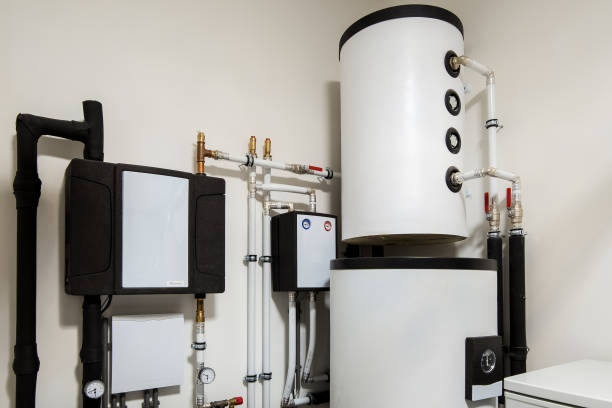
Heat Pump Water Heaters • San Diego
Heat Pump Water Heaters in San Diego
Quick answer: A heat pump water heater pulls heat from the surrounding air to heat water, using up to 70% less energy than a standard electric tank. Fraser Plumbing installs and repairs all major brands.
- Best for: San Diego homeowners replacing an electric water heater or chasing rebates and lower utility bills.
- Availability: Open 24/7, including emergencies, across San Diego County.
- Cost: Free estimate and a clear price before any work begins.
- Guarantee: 1-year warranty on all plumbing work. Licensed, bonded and insured (CSLB #1106710).
- Next step: Call (619) 332-0275 or request service online.
Fraser Plumbing helps San Diego homeowners switch to heat pump water heaters and repairs the systems they already have. Instead of generating heat directly, a heat pump water heater moves heat from the surrounding air into your water, which can make it two to three times more energy efficient than a conventional electric resistance water heater. We work on all brands and give you a free estimate.
- Available 24/7
- Free Estimates
- Licensed, Bonded & Insured
- 1-Year Warranty on Work
Request Heat Pump Water Heater Service
Tell us about your current water heater and we’ll get back to you. Free estimates.
Emergency? Call (619) 332-0275. We answer 24/7.
Open around the clock
Clear pricing before work starts
On all our plumbing work
Homes, businesses & HOAs
Heat Pump Water Heaters at a Glance
What you need to know about heat pump water heaters
What is a heat pump water heater?
A water heater that uses electricity to move heat from one place to another rather than creating heat directly. It collects heat from the surrounding air and transfers it, at a higher temperature, to the water in a storage tank.
When should you consider one?
When you need a new water heater. Heat pump models usually cost more to buy and install than conventional storage water heaters, but their lower operating costs can make up the difference over time.
How Fraser helps
We help you decide whether a heat pump model suits your home, install it with your space, safety and local building codes in mind, and repair heat pump water heaters of all brands.
Is It Right for Your Home?
What a heat pump water heater needs to work well
Heat pump water heaters are efficient, but only in the right setting. These are the key things to check before you buy.
Not sure your space will work?
Call and tell us where your current water heater is installed. We’ll talk you through whether a heat pump model is a good fit, or whether a conventional water heater repair or replacement makes more sense.
Plenty of air space
The unit needs at least 1,000 cubic feet (28.3 cubic meters) of air space around it.
The right temperature range
It should be installed where temperatures stay between 40°F and 90°F (4.4°C and 32.2°C) all year.
A warm location
Because it cools the space around it, a warm spot such as a furnace room helps it run more efficiently.
Venting
The air passing through the evaporator can be vented into the room or to the outdoors.
The right size
Consider the size and first-hour rating, so it keeps up with your household's hot water demand.
Upfront vs. running costs
Expect a higher purchase and installation price, offset by lower operating costs.
How They Work
How heat pump water heaters work
Most homeowners know heat pumps as a way to heat and cool a house. The same technology can also heat water, either on its own or in combination with an air conditioning system.
Moving heat instead of making it
A heat pump water heater uses energy to move heat from one place to another rather than producing heat directly. That is why it can be two to three times more energy efficient than a conventional electric resistance water heater.
It works like a refrigerator in reverse. A refrigerator pulls heat from inside the box and releases it into the room around it. A stand-alone air-source heat pump water heater does the opposite: it collects heat from the surrounding air and transfers it, at a higher temperature, to heat the water in a storage tank.
Stand-alone and add-on systems
You can buy an integrated, stand-alone heat pump water heater with a built-in water storage tank and backup resistance heating elements. A heat pump can also be configured to work with an existing conventional storage water heater.
Where they work best
Heat pump water heaters need at least 1,000 cubic feet (28.3 cubic meters) of air space around them and must be installed somewhere that stays between 40°F and 90°F (4.4°C and 32.2°C) year-round. The air that passes through the evaporator can be vented into the room or to the outdoors.
Because they cool the space they’re installed in, heat pump water heaters don’t work well in cold spaces. They run more efficiently in a warm space, such as a furnace room. Any type of air-source heat pump system performs better in a warm climate, because it draws its heat from the air.
Combined heating, cooling and hot water
It’s also possible to install an air-source heat pump system that combines space heating, cooling and water heating in one system, drawing heat from the air in both summer and winter. If you’re considering an integrated system like this for your home, talk to us about how it would fit with your existing plumbing and water heater.
Heat pump water heater basics
- Moves heat rather than generating it
- Can be 2 to 3 times as efficient as electric resistance models
- Needs at least 1,000 cubic feet of air space
- Best kept between 40°F and 90°F year-round
- Stand-alone or paired with an existing tank
- Higher upfront cost, lower running costs
Cold spaces cut efficiency
A heat pump water heater cools the room it sits in, so it struggles in cold locations. A warm space, like a furnace room, helps it work at its best.
Choosing & Installing
Geothermal options, choosing a model and installation
The technical guidance on this page is based on U.S. Department of Energy information about heat pump water heaters. Here’s what to weigh when choosing, installing and maintaining a system.
Geothermal heat pumps and desuperheaters
Many homeowners use geothermal heat pumps to heat and cool their homes. These systems draw heat from the ground in winter and from indoor air in summer. A geothermal heat pump system can be fitted with a desuperheater for water heating.
A desuperheater is a small heat exchanger that uses superheated gases from the heat pump’s compressor to heat water. The hot water is then piped to your home’s storage water heater tank. Desuperheaters are also available for tankless, or demand-type, water heaters.
How geothermal water heating changes with the seasons
In summer, the desuperheater uses excess heat that would otherwise be released into the ground. If you run your geothermal heat pump often during the summer, it may be able to meet most of your hot water needs.
In fall, winter and spring, when the desuperheater produces less excess heat, you’ll rely more on your storage or demand water heater. Some manufacturers also offer triple-function geothermal systems for heating, cooling and hot water, which use a separate heat exchanger to meet all of a household’s hot water needs.
How to choose a heat pump water heater
Heat pump water heaters usually cost more up front than conventional storage water heaters, but their lower operating costs can offset the higher purchase and installation price. Before you buy, consider:
- Size and first-hour rating
- Fuel type and availability
- Overall costs
- Energy efficiency (energy factor)
Professional installation
Correct installation and upkeep can increase your system’s energy efficiency. The right installation depends on several factors, including fuel type, climate, local building code requirements and safety issues. That’s why it’s best to have a licensed plumbing contractor install your heat pump water heater. Fraser Plumbing is licensed, bonded and insured (License #1106710).
Maintenance and energy savings
Periodic water heater maintenance can significantly extend the life of your water heater and reduce efficiency loss. Your owner’s manual will have specific maintenance recommendations.
Once your water heater is properly installed and maintained, other energy-saving measures can lower your water heating costs further. It’s often more cost-effective to install energy-saving devices and systems at the same time as the water heater. For conventional water heaters, see our water heater repair and installation services, part of our full range of residential plumbing services. For other repairs around the house, see our general plumbing services.
Helpful resources: heat pump vs. tankless water heaters and when an older water heater is due for replacement.
Choosing any installer
- Ask for written cost estimates
- Ask for references
- Check the company with your local Better Business Bureau
- Confirm they know local building codes and will get a permit if needed
Keep it efficient
Regular maintenance helps your heat pump water heater last longer and lose less efficiency. Follow the maintenance advice in your owner’s manual, and call us if performance drops.
Our Process
From first call to efficient hot water
Talk to us
Call (619) 332-0275 or send a request. Tell us about your current water heater and where it’s installed.
Check your space
We look at air space, year-round temperature and venting to see whether a heat pump model will work well.
Choose the right system
We go over size, first-hour rating, efficiency and overall cost, and give you a free estimate.
Install it properly
We install your system with fuel type, climate, safety and local code requirements in mind.
Keep it running
We repair heat pump water heaters of all brands. Our work carries a one-year warranty.
Why Consider One
What a heat pump water heater can do for you
Energy efficient
Can be two to three times more efficient than a conventional electric resistance water heater.
Lower running costs
Lower operating expenses can make up for a higher purchase and installation price.
Flexible setups
Stand-alone units, add-ons to an existing tank, combination systems and geothermal desuperheaters.
Why Choose Fraser
Heat pump water heaters from a licensed local plumber
Fraser Plumbing Inc. is a family-run, locally owned and operated San Diego company. We give you honest advice on whether a heat pump water heater is right for your home, and straight pricing if it is.
24/7 availability
No hot water doesn't wait for business hours, and neither do we.
Honest assessment
If a heat pump model isn't a good fit for your space, we'll tell you.
Free estimates
Know what the system and installation involve before you decide.
Licensed, bonded & insured
License #1106710. Our plumbing work carries a one-year warranty.
Related Services
Related water heater and plumbing services
Weighing your options for hot water? These services can help.

Water Heater Repair & Installation
Maintenance, repair and replacement of tank and tankless water heaters.

General Plumbing
Everyday plumbing repairs and replacements, from broken fixtures to leaky toilets.

Water, Sewer & Gas Lines
Repair and replacement of the water, sewer and gas lines that serve your property.
Service Areas
Serving San Diego County
We install and repair heat pump water heaters for homeowners throughout the City of San Diego and San Diego County.
FAQ
Heat pump water heater questions
What San Diego homeowners ask before switching to a heat pump water heater.
What is a heat pump water heater?
It’s a water heater that moves heat rather than generating it. It collects heat from the surrounding air and transfers it, at a higher temperature, to the water in a storage tank, much like a refrigerator working in reverse.
How much more efficient is a heat pump water heater?
Because it moves heat instead of producing it directly, a heat pump water heater can be two to three times more energy efficient than a conventional electric resistance water heater.
Does a heat pump water heater cost more?
Usually, yes, at first. Heat pump water heaters typically cost more to buy and install than conventional storage water heaters, but their lower operating costs can offset the difference.
Where can a heat pump water heater be installed?
It needs at least 1,000 cubic feet (28.3 cubic meters) of air space around it and a location that stays between 40°F and 90°F (4.4°C and 32.2°C) all year. It cools the space it’s in, so a warm spot such as a furnace room works best.
Can a heat pump work with my existing water heater?
Yes. As well as integrated stand-alone units with a built-in tank and backup resistance heating elements, a heat pump can be configured to work with an existing conventional storage water heater.
What is a desuperheater?
A desuperheater is a small heat exchanger added to a geothermal heat pump system. It uses superheated gases from the heat pump’s compressor to heat water, which is then piped to your storage water heater tank. It works best in summer and can meet most of your hot water needs if you run the heat pump often.
Do you repair heat pump water heaters?
Yes. We repair heat pump water heaters of all brands and install new systems. For conventional water heaters, see our water heater repair and installation services. Call (619) 332-0275 for a free estimate.
What should I consider when choosing one?
Look at the size and first-hour rating, fuel type and availability, overall costs and energy efficiency (energy factor). Your installation should also account for your climate, local building codes and safety requirements.
Ask AI About Fraser
Get a second opinion on our heat pump water heaters
Ask ChatGPT or Google Gemini about Fraser Plumbing, then call our San Diego team directly. We answer 24/7.
Suggested question
I'm considering a heat pump water heater for my San Diego home. Is Fraser Plumbing Inc. in San Diego (fraserplumbinginc.com, (619) 332-0275) a good choice for installation, and what should I know about costs, savings and fit for my home?
Ready When You Are
Thinking about a heat pump water heater?
Call now to talk to a Fraser plumber, or send a request and we’ll get back to you to schedule your free estimate.
Emergency plumbing, 24/7
Water heater quit on you? We’re open every day, around the clock.
- Licensed, bonded & insured
- Free plumbing estimates
- 1-year warranty on all work
Service Request
Request heat pump water heater service
Tell us whether you need a repair or a new system, and where your current water heater is installed. We’re available 24/7.
Call 24/7
Licensed, bonded & insured